
Typing has become an essential skill in our digital age. Whether you’re a student completing assignments, a professional crafting emails, or a content creator building your online presence, the ability to type quickly and accurately can significantly boost your productivity. But let’s face it – traditional typing practice can feel monotonous and boring. That’s where typing games come into play, transforming mundane practice sessions into exciting competitive experiences that keep you engaged while improving your skills.
Typing race games have revolutionized how people learn and improve their typing abilities. Instead of staring at dull exercises and repetitive drills, you can now challenge friends, compete against players worldwide, and track your progress through entertaining gameplay. These games combine the thrill of competition with practical skill development, making them an ideal choice for anyone looking to enhance their keyboard proficiency.
The Rise of Competitive Typing Games
The concept of competitive typing isn’t entirely new, but modern technology has transformed it into an accessible and engaging activity for millions of people around the globe. Online typing race platforms have created virtual arenas where speed and accuracy determine victory, much like traditional sports competitions. Players from different countries, backgrounds, and skill levels can connect instantly and compete in real-time matches that test their typing abilities.
What makes these games particularly appealing is their social aspect. Learning to type faster doesn’t have to be a solitary journey. With multiplayer typing games, you can invite friends to join races, create private rooms for practice sessions, or jump into public matches to face random opponents. This social element adds motivation and accountability that solo practice often lacks. When you know your friends are tracking their progress and improving their speeds, you’re naturally inclined to keep up and push your own boundaries.
The competitive nature of typing races taps into our inherent desire for achievement and recognition. Watching your virtual car, spaceship, or character move across the screen as you type correctly creates immediate visual feedback that reinforces good habits. Every word you type accurately propels you forward, while mistakes slow you down, teaching you the importance of balancing speed with precision.
Benefits Beyond Speed
While the primary goal of typing games is improving your words-per-minute count, the benefits extend far beyond raw speed. Accuracy is equally crucial in real-world typing scenarios. A professional email riddled with typos looks unprofessional regardless of how quickly it was written. Typing race games emphasize both metrics, usually displaying your accuracy percentage alongside your speed statistics.
Regular practice through typing games also improves muscle memory. Your fingers learn the keyboard layout naturally through repetition, eventually reaching a point where you type without consciously thinking about key positions. This automatic response is what separates average typists from exceptional ones. Games make building this muscle memory enjoyable rather than tedious.
Another often-overlooked benefit is improved focus and concentration. During a typing race, you must maintain attention on the text while simultaneously monitoring your progress and position relative to other players. This dual awareness strengthens your ability to multitask and stay focused under pressure – skills that translate well to academic and professional environments.
Typing games also reduce the anxiety associated with keyboard use. Many people, especially those who didn’t grow up with computers, feel intimidated by typing requirements. Games create a low-pressure environment where mistakes are just part of the learning process rather than serious errors. This relaxed atmosphere helps players overcome mental blocks and build confidence in their abilities.
Features That Make Typing Games Effective
The most successful typing race platforms incorporate several key features that maximize learning potential while maintaining entertainment value. Varied difficulty levels ensure that both beginners and advanced typists find appropriate challenges. Starting with simple words and short sentences, players gradually progress to complex paragraphs, technical terminology, and even coding syntax depending on their chosen difficulty setting.
Real-time multiplayer functionality creates the competitive atmosphere that drives improvement. Seeing other players’ progress bars move across the screen provides tangible motivation to type faster while maintaining accuracy. Some platforms display ghost racers showing your previous best performance, allowing you to compete against yourself and track improvement over time.
Comprehensive statistics and analytics help players understand their strengths and weaknesses. Detailed breakdowns showing which keys cause the most errors, average speed for different text types, and progress graphs over days or weeks provide valuable insights. This data-driven approach helps identify specific areas needing improvement rather than relying on vague impressions of performance.
Customization options enhance user experience significantly. The ability to adjust text size, color schemes, keyboard layouts, and sound effects allows players to create comfortable practice environments suited to their preferences. Some platforms even let users upload custom texts, enabling practice with industry-specific vocabulary or favorite literary passages.
Getting Started with Typing Practice
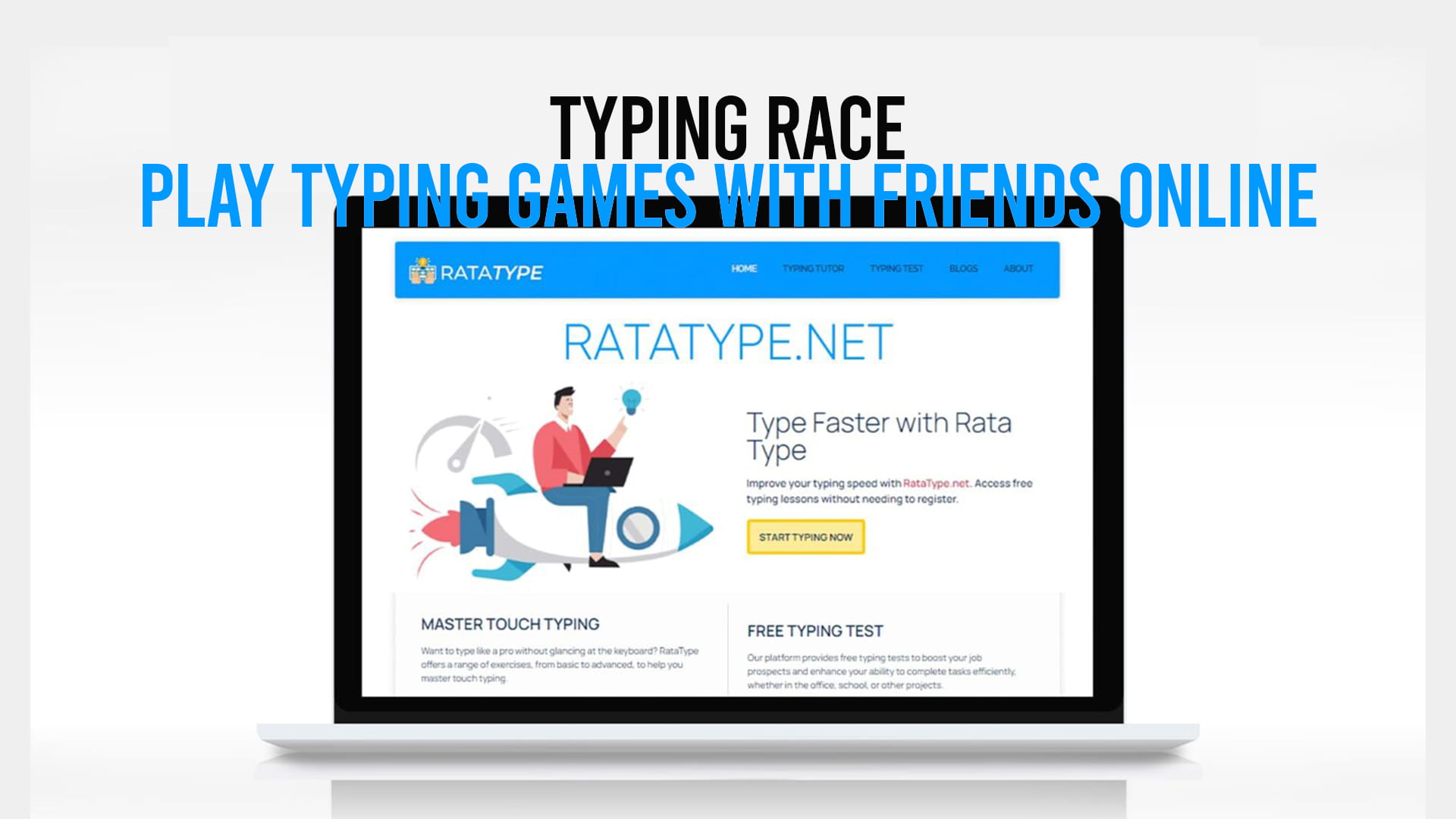
Beginning your typing improvement journey doesn’t require expensive software or complicated setups. Platforms like Ratatype offer completely free access to comprehensive typing courses and games. You can visit Ratatype and start practicing immediately without downloading anything or creating accounts. The web-based interface works on any device with a browser, making practice accessible whether you’re using a desktop computer, laptop, or even a tablet with an external keyboard.
For absolute beginners, starting with structured lessons rather than jumping straight into competitive races might be beneficial. These lessons introduce proper finger placement and teach the home row position that forms the foundation of touch typing. Once you’ve grasped basic technique, transitioning to typing games provides the practice volume needed to solidify skills while keeping sessions entertaining.
Setting realistic goals helps maintain motivation during the learning process. Rather than aiming to reach professional typing speeds immediately, focus on incremental improvements. Increasing your speed by just five words per minute or improving accuracy by a few percentage points represents real progress. Celebrate these milestones to stay motivated through the inevitable plateaus that occur during skill development.
Consistency matters more than marathon practice sessions. Typing for fifteen minutes daily produces better long-term results than sporadic three-hour sessions. Regular practice builds muscle memory more effectively and prevents the finger fatigue that comes from overexertion. Many typing game platforms include daily challenges or streak tracking to encourage consistent engagement.
The Social Aspect of Typing Races
One of the most compelling aspects of modern typing games is their social integration. Creating private rooms lets you race exclusively against friends, family, or classmates. This feature works wonderfully for study groups, office teams looking to improve productivity, or friend groups seeking a unique competitive activity. The private room functionality typically includes customizable settings for text difficulty, race length, and number of participants.
Public multiplayer matches connect you with players worldwide, exposing you to diverse competition levels. Racing against faster typists pushes you to improve, while occasionally outpacing others provides confidence boosts. The random nature of public matches means every race feels different, preventing the boredom that can arise from repetitive practice patterns.
Many typing game platforms incorporate chat features, leaderboards, and profile systems that foster community development. Players can send friend requests, track rivals’ progress, and participate in tournaments or seasonal competitions. These social features transform what could be an isolated practice into a shared experience with others pursuing similar goals.
Educational institutions have begun recognizing the value of competitive typing games for classroom engagement. Teachers can create class accounts, assign typing practice as homework, and monitor student progress through dashboard analytics. The gamified approach often resonates better with students than traditional typing curricula, leading to higher engagement rates and faster skill acquisition.
Certification and Achievement Recognition
While improving your typing speed provides intrinsic satisfaction, external validation through certifications adds additional motivation for many learners. Platforms like Ratatype offer free certificates upon completing their typing courses and achieving specific performance benchmarks. These certificates require no registration fees or hidden costs – simply complete the requirements and receive your credential.
Having a typing certification can enhance your resume, particularly for positions requiring extensive computer work. Administrative roles, data entry positions, content writing jobs, and customer service positions often prioritize candidates with proven typing proficiency. A certificate from a recognized platform demonstrates both the skill itself and the initiative to improve professionally relevant abilities.
The certificate also serves as a concrete milestone marking your progress. Many people practice typing irregularly without clear objectives. Working toward certification provides a defined goal that structures your practice sessions and gives them purpose beyond abstract improvement. The sense of accomplishment upon earning the certificate often motivates continued practice to reach even higher levels.
For students, typing certificates can supplement academic achievements. As schools increasingly emphasize digital literacy, demonstrating advanced typing skills shows readiness for technology-dependent learning environments. Some educational institutions even offer credit or recognition for completing typing certification programs during study periods.
Advanced Techniques for Competitive Typing
Once you’ve mastered basic touch typing and achieved comfortable speeds, several advanced techniques can push you toward elite performance levels. Rhythm typing involves maintaining consistent keystroke timing rather than rushing through familiar words and hesitating on difficult ones. This steady pace often produces faster overall times than erratic speed variations, while also reducing error rates.
Anticipation represents another crucial advanced skill. Experienced typists begin processing upcoming words while still typing current ones, allowing their fingers to prepare for transitions. This mental lookahead requires practice but significantly smooths typing flow and eliminates the micro-pauses that slow average typists.
Proper ergonomics becomes increasingly important as you type faster and for longer durations. Wrist position, chair height, monitor distance, and keyboard angle all affect both performance and long-term hand health. Investing time in optimizing your physical setup prevents fatigue and repetitive strain injuries that could derail your progress.
Some competitive typists also practice with specific text types matching their goals. If you’re a programmer, practicing with code snippets improves your speed with special characters and syntax patterns. Writers might focus on narrative passages, while data entry specialists benefit from number-heavy texts. This targeted practice develops relevant muscle memory more efficiently than generic exercises.
Tracking Progress and Staying Motivated
Measuring improvement objectively helps maintain motivation during the inevitable plateaus in skill development. Most typing game platforms automatically track key metrics including words per minute, accuracy percentage, and race results over time. Reviewing these statistics reveals progress that might not be immediately apparent during individual practice sessions.
Graph visualizations showing your speed improvement over weeks or months provide powerful motivation. Even when daily practice feels stagnant, seeing the upward trend line demonstrates that consistent effort produces results. Many platforms also calculate personal bests for different text lengths and difficulties, giving you multiple targets to pursue.
Joining typing communities, whether through platform forums, social media groups, or local clubs, provides additional motivational support. Sharing achievements, discussing techniques, and encouraging others creates accountability that solo practice lacks. Community members often share custom texts, practice challenges, and tips that enhance your training regimen.
Setting varied goals prevents monotony in your practice routine. Rather than exclusively focusing on raw speed, alternate between accuracy challenges, endurance tests with longer texts, or specialty practices with numbers and symbols. This variety keeps practice sessions fresh while developing well-rounded typing skills applicable to diverse real-world scenarios.
The Future of Typing Games
As technology continues evolving, typing games are becoming increasingly sophisticated and engaging. Virtual reality typing applications are emerging, placing players in immersive environments where typing drives gameplay narratives. Augmented reality solutions overlay practice interfaces onto physical keyboards, providing real-time feedback on finger placement and technique.
Artificial intelligence is beginning to personalize typing practice based on individual weaknesses. Rather than generic lessons, AI-powered platforms analyze your specific error patterns and generate custom exercises targeting your problem areas. This tailored approach accelerates improvement by focusing practice time where it’s most beneficial.
Mobile typing games are adapting exercises for touchscreen keyboards, recognizing that smartphone typing represents an increasingly important skill. While touch typing on physical keyboards remains crucial, proficiency with mobile interfaces affects everything from professional communication to social media engagement.
Gamification elements continue expanding beyond simple racing mechanics. Story-driven typing adventures, puzzle games requiring typing solutions, and role-playing experiences where typing speed affects character abilities represent the diverse directions typing game developers are exploring. These innovations promise to make skill development even more engaging for future generations.
Conclusion
Typing race games have transformed what was once a tedious necessity into an entertaining and social activity. By combining skill development with competitive gameplay, these platforms motivate consistent practice that produces genuine improvements in both speed and accuracy. Whether you’re typing for professional advancement, academic success, or personal satisfaction, engaging with typing games offers an effective and enjoyable path toward mastery.
The accessibility of platforms like Ratatype ensures that anyone with internet access can begin improving immediately without financial barriers. The availability of free certificates provides tangible recognition of your achievements, adding value beyond the skills themselves. As you progress from hesitant beginner to confident touch typist, the benefits extend throughout your digital life, making every email, document, and message easier to create.
Starting your typing improvement journey today means investing in a skill that will serve you throughout your personal and professional life. The few minutes spent practicing through entertaining typing races accumulate into hours of saved time as your efficiency increases. Challenge your friends, track your progress, and enjoy the process of becoming a faster, more accurate typist. The keyboard awaits – are you ready to race?