
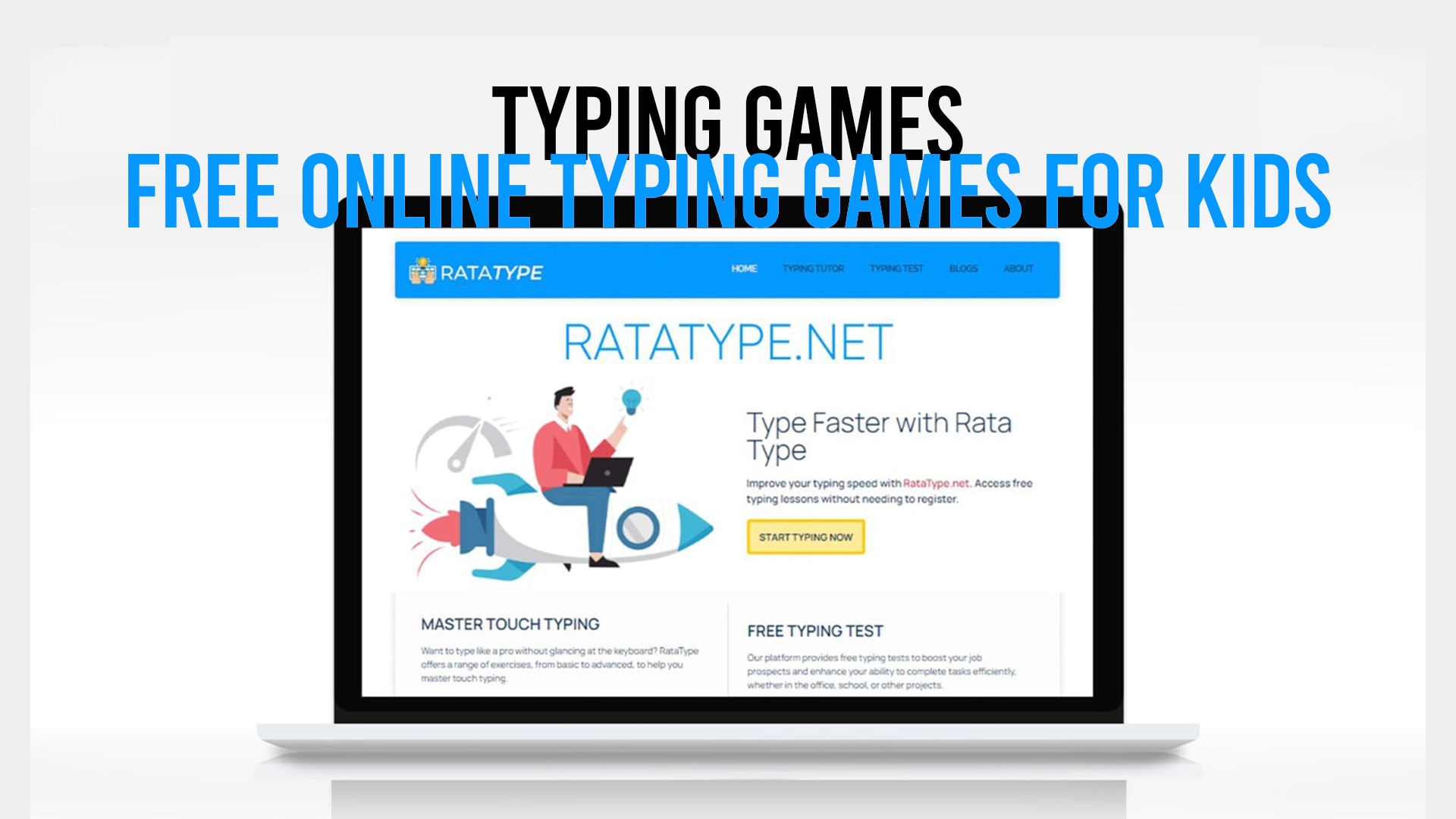
Typing games are one of the best and most fun ways for kids to learn and improve their typing skills without feeling bored. In today’s world, where computers and technology play such an important role in everything we do, knowing how to type fast and accurately is a very important skill that every child should learn. Whether your child is in school or preparing for a job in the future, having good typing skills will help them in many ways. Instead of spending hours doing boring typing exercises, kids can now enjoy playing interactive typing games that make learning feel like real fun.
Many children find traditional typing lessons and exercises to be very dull and uninteresting. They lose interest quickly and do not want to continue practicing. However, when typing practice is combined with games and fun challenges, children become motivated to keep playing and practicing. They want to beat high scores, unlock new levels, and compete with their friends. This is exactly why typing games have become so popular among kids and parents who want their children to develop this crucial skill enjoyably.
The benefits of playing typing games go far beyond just learning how to press keys correctly. When kids play these games regularly, they develop muscle memory in their fingers, which means their hands learn where each key is without looking at the keyboard. This is called touch typing, and it is the fastest and most efficient way to type. Regular practice through gaming helps kids type faster with fewer mistakes. They also become more confident when using a computer, which is very important for their success in school and future careers.
Why Kids Need to Learn Typing Skills
In schools today, computer skills are taught from a very young age. Teachers often ask students to complete assignments and projects on computers. Students who cannot type quickly and accurately will take much longer to finish their work compared to their classmates. This can cause them to fall behind in their studies. Learning to type properly helps students complete their schoolwork more efficiently and allows them to focus on the content of their work rather than struggling with the keyboard.
Beyond school, typing skills are essential for almost every job in the modern world. Whether someone becomes a doctor, teacher, engineer, accountant, or works in any other profession, they will need to use a computer and type regularly. Even young children who learn good typing habits now will have a huge advantage when they enter the job market in the future. Employers always prefer workers who can type quickly and accurately because it makes them more productive and efficient.
Another important reason for kids to learn typing is that it helps them communicate better. In today’s digital world, children send messages, emails, and write documents regularly. If they can type quickly and without many errors, they can express their ideas more clearly. They will not get frustrated by slow typing or constantly correcting mistakes. This makes the whole experience of using a computer much more enjoyable and positive for young learners.
How Typing Games Make Learning Better
Typing games are designed in a clever way that combines education with entertainment. Unlike old-fashioned typing courses that feel like work, games keep kids interested and motivated to continue practicing. When a child plays a typing game, they do not feel like they are doing a boring exercise. Instead, they feel like they are playing their favorite game, and learning happens naturally as a side effect.
Most typing games include features that make them even more appealing to kids. They have colorful graphics, fun characters, exciting sound effects, and rewarding animations that play when the player does something well. Some games even have storylines that make the player feel like they are on an adventure or a mission. These elements work together to keep kids engaged and excited about typing practice.
The structure of typing games is also very smart. They start with easy levels that help beginners build confidence. As the player progresses, the games gradually become harder and more challenging. This means kids are always being pushed to improve a little bit at a time, but they are never so frustrated that they want to quit. This perfect balance between being easy enough and hard enough is what psychologists call the flow state, and it is the best condition for learning anything new.
Most typing games also track progress and show statistics. Kids can see how many words they can type per minute, how many mistakes they made, and how much they have improved since they started. This kind of feedback is very powerful for motivation. When kids see that they are getting faster and making fewer errors, they feel proud and want to continue practicing to improve even more.
The Benefits of Using Free Typing Games
One of the biggest advantages of free typing games is that families do not need to spend money to access quality typing instruction and practice. Many parents are happy to find high-quality educational resources that do not require a paid subscription. Free typing games make it possible for every child, regardless of their family’s income, to have access to the same learning opportunities as wealthy families.
Free typing games are also very convenient. Kids can practice typing anytime and anywhere they have access to a computer. They do not need to wait for a scheduled class or follow a specific timetable. This flexibility means kids can fit typing practice into their daily routine in whatever way works best for them. Some kids might practice for fifteen minutes before school, while others might practice after they finish their homework in the evening.
Another benefit is that free typing games remove the pressure of paying for something that a child might not enjoy. Parents can encourage their kids to try different typing games without worrying about wasting money if the child does not like that particular game. Kids can experiment with various games to find the ones they like best and that work well for their learning style.
Features to Look for in Quality Typing Games
When choosing typing games for kids, there are several important features that parents and educators should look for. First, the game should have different difficulty levels. A good typing game should be suitable for complete beginners who have never typed before, but it should also have advanced levels for kids who already know how to type and want to improve further.
Second, a quality typing game should focus on proper finger placement and technique. It should encourage kids to use all ten fingers and to use the correct fingers for each key. This is important because using the correct technique from the beginning helps kids develop good habits that will serve them well for the rest of their lives. Teaching poor technique early on can create bad habits that are hard to break later.
Third, the game should provide immediate feedback. When a child makes a mistake, they should know right away so they can correct themselves. Feedback helps kids learn faster and remember the correct way to type each key. Games that show errors clearly and reward correct typing with points, sounds, or visual effects are very effective for learning.
Fourth, a good typing game should be engaging and fun without being distracting. The graphics and sounds should be interesting enough to keep kids motivated, but not so crazy that they cannot focus on the actual typing. The best games find the right balance between fun and learning.
Finally, quality typing games should track progress and achievement. The game should keep records of the player’s speed, accuracy, and improvement over time. Many kids are motivated by seeing their scores improve and by earning badges or certificates that recognize their achievement.
Different Types of Typing Games Available
There are many different styles of typing games that appeal to different interests and learning styles. Some kids love adventure games where they type to move a character through a magical world and complete quests. Other kids prefer racing games where they type to make a car or bike go faster and win the race. Still others enjoy music-themed games where they type to the beat of songs or create musical compositions.
Action-packed games are another popular type of typing game. In these games, kids might type to shoot lasers at enemies, build defenses against attackers, or solve puzzles. These games keep kids on the edge of their seats and make typing feel like an exciting challenge rather than a chore.
Story-based typing games are also very popular. These games have interesting characters and plots that unfold as the player progresses. Kids become invested in the story and want to continue typing to see what happens next. Story-based games are excellent for keeping kids motivated over a long period of time.
Sports-themed typing games appeal to kids who love athletics. These games might involve typing to play basketball, soccer, tennis, or other sports. The competitive nature of sports games motivates kids to type faster and more accurately to win the game.
Word puzzle games combine typing with problem-solving. Kids need to type words correctly to solve crossword puzzles, word searches, or other word-based challenges. These games help kids develop better spelling and vocabulary while improving their typing speed.
No matter what type of game a child prefers, there are typing games available that can help them practice and improve their skills while having fun.
How to Help Your Child Get Started with Typing Games
Getting started with typing games is very simple and easy. First, choose a typing game that matches your child’s age and current skill level. If your child is a beginner, look for games that teach basic keyboard layout and finger placement. If your child already knows the basics, choose games that focus on speed and accuracy improvement.
Next, set a consistent schedule for typing practice. Just like learning to play a musical instrument or play a sport, typing improves with regular practice. Even fifteen to twenty minutes of practice several times a week is better than one long session once a month. Consistent practice helps kids retain what they learn and build speed gradually.
Make sure your child is sitting in a comfortable position with proper posture. Their feet should rest flat on the floor, their back should be straight, and their wrists should be in a neutral position. Good posture prevents injuries and helps kids focus better on their typing. A proper chair and desk setup is important for comfort and safety.
Encourage your child to focus on accuracy before speed. Many beginners want to type as fast as possible, but this often leads to many errors. It is better to type slowly and correctly than to type quickly with many mistakes. With consistent practice, speed will naturally increase while maintaining accuracy.
Celebrate your child’s progress and achievements. When they beat their personal best, unlock a new level, or master a new skill, acknowledge their hard work and let them know you are proud. Positive reinforcement is a powerful motivator and helps kids stay committed to their typing practice.
Consider making typing practice a family activity. You could set aside a time when multiple family members practice their typing skills together. This makes it fun and shows your child that adults also use typing skills regularly. Family practice sessions can also create friendly competitions that make learning more enjoyable.
Free Typing Certificate Programs
Many typing practice websites offer free certificates to students who complete their typing courses and meet certain typing speed and accuracy requirements. These certificates are a wonderful way to recognize a child’s achievement and give them something tangible to be proud of. A typing certificate shows that a student has developed real skills and can type at a certain level of proficiency.
Ratatype is one of the most popular platforms that provides a free certificate without any registration required. This means kids can start typing immediately without going through a long sign-up process. They can begin practicing right away and work toward earning their certificate. The platform makes typing practice fun and rewarding with engaging games and clear progress tracking.
When a child earns a typing certificate, it boosts their confidence and motivation. They have proof of their achievement that they can show to parents, teachers, and friends. Many kids like to print out their certificates and display them proudly. For older students, a typing certificate can even be added to their resume or school portfolio as evidence of a useful skill they have developed.
The process of earning a free typing certificate helps kids set goals and work toward completing them. This teaches valuable life skills like persistence, dedication, and the satisfaction of achieving something through hard work. Kids learn that with regular practice and effort, they can accomplish their goals.
To start your journey toward earning a free typing certificate, visit Ratatype and begin typing for free. You do not need to pay any money or provide a lot of personal information. Simply start practicing, improve your typing skills, and work toward earning your certificate. The whole experience is designed to be accessible and rewarding for everyone.
Tips for Maintaining Typing Practice
Once your child starts playing typing games and improving their skills, it is important to keep up the practice so they do not forget what they have learned. Typing skills can become rusty if they are not used regularly. However, maintaining practice does not need to feel like a burden if you approach it the right way.
One effective approach is to incorporate typing into regular daily activities. When kids write emails to family members, take notes for school projects, or participate in online learning, they are practicing their typing skills without even thinking about it as practice. Encourage your child to use their keyboard skills in their regular schoolwork and communication.
You can also set new typing game challenges and goals to keep things interesting. Once your child finishes one typing game or reaches a certain level, introduce them to a new game that is slightly more challenging. Having new games to try and new goals to work toward keeps motivation high.
Remind your child that just like athletes need to keep training to stay in shape, typists need to keep practicing to stay sharp. Regular short practice sessions are much better than trying to cram a lot of practice into one day. Consistency is the key to maintaining and continuing to improve typing skills.
Make typing practice a regular part of your family’s routine. Have a specific time each day or several times a week when the family does typing practice. When it becomes a normal part of the routine, kids accept it as something they do, like brushing their teeth or eating breakfast.
Another great tip is to let your child teach someone else how to type. When kids explain typing concepts to a younger sibling or friend, it reinforces their own knowledge and helps them feel like an expert. This peer teaching is very effective for solidifying learning and keeping skills sharp.
The Future of Typing Skills in a Digital World
As technology continues to evolve, the importance of typing skills will only increase. In the future, almost every job will require some level of computer skills, and typing will remain a fundamental skill that everyone needs. Children who develop strong typing skills now will have a significant advantage as they move through their education and into their careers.
Voice typing and other alternative input methods are becoming more common, but traditional keyboard typing will remain important for many years to come. Even as technology changes, the ability to type quickly and accurately will be a valuable skill. Kids who learn to type now are preparing themselves for success in whatever the future holds.
Learning to type while young means kids develop automatic muscle memory that stays with them for life. Someone who learns to type properly as a child will likely maintain those skills and speed throughout their entire life. This is why it is so important to focus on proper technique and developing good typing habits from the beginning.
Parents and educators who introduce children to typing games today are giving them a gift that will benefit them for decades to come. The investment of time and effort in typing practice now will pay dividends in school performance, career opportunities, and overall computer literacy throughout their lives.
Conclusion
Typing games offer an incredible opportunity for kids to learn and develop one of the most important skills of the modern world while having fun and enjoying the learning process. Unlike boring, traditional typing lessons, games make practice feel like play. Kids stay motivated, engaged, and excited about improving their typing speed and accuracy when learning happens through games.
The best part about modern typing games is that quality programs are available for free. Every child, regardless of their family’s financial situation, can access excellent typing practice tools and resources. Parents and teachers can feel confident that their kids and students are learning from high-quality educational programs that truly work.
When you are ready to help your child improve their typing skills, start by exploring the many free typing games available online. Look for games that match your child’s interests and learning style. Remember that consistency is important, so encourage regular practice rather than sporadic sessions. Most importantly, keep the experience positive and fun so your child develops a love of learning and a genuine desire to improve.
Start your child’s typing journey today and watch as they develop confidence, speed, and accuracy with every game they play. The skills they build now through typing games will serve them well in school, in their future careers, and throughout their entire lives in our digital world.